Sewage Treatment Plant Manufacturer in Pune
In a time when water scarcity and pollution are major challenges, having an efficient sewage
treatment plant in India is no longer optional—it’s essential. Sewage from homes, apartments,
hotels, and industries contains harmful contaminants that can damage the environment if not
treated properly.
A well-designed STP system helps purify and recycle this wastewater, making it safe for reuse in
gardening, flushing, and industrial processes. At Bisan Group, we manufacture and supply
high-performance sewage treatment plants built to meet CPCB standards, helping organisations
across India achieve sustainable and cost-effective wastewater management.
In this article, we will dive deep into what a sewage treatment
plant is, how it works, its types, benefits, and why it's essential for sustainable development.
Operation & maintenance services for STP will also be discussed in detail.
What is a Sewage Treatment Plant?
A sewage treatment plant (STP) is a facility designed to treat
wastewater, primarily from domestic, commercial, and industrial sources. The main objective of
an STP is to remove contaminants, organic matter, and harmful microorganisms from sewage so that
the treated water can be safely released into the environment or reused for various non-potable
applications.
Sewage consists of wastewater generated from toilets, kitchens,
baths, and industrial processes. If released untreated, it can pose serious threats to human
health and aquatic life due to the presence of pathogens, chemicals, and suspended solids.
Why is Sewage Treatment Important?
- Environmental Protection: Reduces the pollution load entering
rivers, lakes, and oceans.
- Public Health: Proper sewage treatment eliminates disease-causing
bacteria and viruses.
- Water Reuse: Treated sewage water can be reused for irrigation,
cooling towers, flushing, and more.
- Regulatory Compliance: Most countries have strict guidelines for
wastewater discharge; STPs help meet these standards.
- Resource Recovery: Modern STPs can recover energy and nutrients
from sewage.
How Does a Sewage Treatment Plant Work?
The sewage treatment plant process is typically carried out in
three major stages:
1. Primary Treatment
- Screening: Removes large debris like sticks, plastic, and cloth.
- Grit Removal: Sand and small stones settle in grit chambers.
- Sedimentation: Heavier solids settle as sludge, while lighter
materials float and are skimmed off.
2. Secondary Treatment
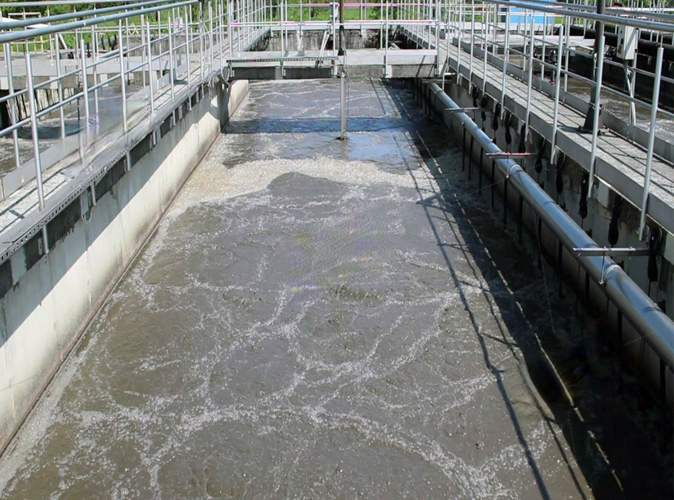
- Aeration: Air is pumped to support bacterial digestion of organic
waste.
- Activated Sludge Process: Microorganisms consume biodegradable
material.
- Clarification: Sludge is separated and recycled or sent for
further treatment.
3. Tertiary Treatment
- Filtration: Removes fine particles using sand, membranes, or
carbon.
- Disinfection: Chlorination, UV, or ozonation eliminates remaining
pathogens.
- Nutrient Removal: Phosphorus and nitrogen are removed to prevent
eutrophication.
Types of Sewage Treatment Plants
- Conventional Activated Sludge Process (ASP): Involves aeration and
biological treatment followed by clarification.
- Moving Bed Biofilm Reactor (MBBR): Uses biofilm-covered plastic
carriers in aeration tanks for enhanced treatment.
- Sequencing Batch Reactor (SBR): All treatment steps occur in a
single tank on a timed cycle, ideal for limited spaces.
- Membrane Bioreactor (MBR): Combines biological treatment with
membrane filtration for high-quality output.
- Extended Aeration System: A variation of ASP with longer
retention, suitable for smaller communities.
Components of a Sewage Treatment Plant
- Inlet Chamber: Receives and screens raw sewage.
- Grit Chamber: Removes sand and grit.
- Primary Clarifier: Settles large solids.
- Aeration Tank: Facilitates microbial digestion.
- Secondary Clarifier: Separates sludge from treated water.
- Sludge Handling Unit: De-waters and treats sludge.
- Disinfection Unit: Kills pathogens before water discharge.
Benefits of a Sewage Treatment Plant Operation & Maintenance
Services for STP
- Clean Water Availability: Recycled water for irrigation and
industrial use.
- Disease Control: Prevents waterborne diseases.
- Environmental Sustainability: Maintains ecological balance.
- Regulatory Compliance: Avoids penalties and ensures safe
practices.
- Odor Control: Modern plants operate with minimal odor.
Challenges in Sewage Treatment
- High Initial Cost: Construction and equipment are expensive.
- Maintenance Needs: Requires skilled staff and regular upkeep.
- Energy Demand: Processes like aeration are energy-intensive.
- Lack of Awareness: Can lead to underuse or poor operation.
Sewage Treatment in Urban Planning
With urban populations increasing, integrating sewage treatment
plants into city planning is essential. Modular and decentralized operation &
maintenance services for STP are now common in residential complexes, hotels,
hospitals, and commercial buildings.
Future of Sewage Treatment
Innovations shaping the future of sewage treatment plants include:
- AI-based Monitoring Systems
- Anaerobic Digesters for Biogas
- Sludge-to-Energy Technologies
- Zero-Liquid Discharge (ZLD) Plants
These technologies make STPs smarter, more efficient, and
sustainable.
Conclusion
A sewage treatment plant is a critical part of modern
infrastructure. It not only protects health and the environment but also supports the reuse of a
vital resource—water. As cities grow and water scarcity operation & maintenance
services for STP becomes a pressing issue, investing in efficient and advanced STPs
is no longer optional—it is essential for sustainable development.
By embracing new technologies and building awareness, sewage
treatment plants can help create cleaner, healthier, and more resilient communities.
Frequently Asked Questions (FAQs)
Q1. What is the main purpose of a sewage treatment
plant?
Answer:- The primary purpose of a sewage treatment plant (STP) is to remove contaminants,
organic matter, and pathogens from wastewater, making it safe for discharge or reuse.
Q2. Can treated sewage water be reused?
Answer:- Yes, treated water can be reused for purposes like irrigation, landscaping, flushing
toilets, industrial processes, and cooling towers, depending on the level of treatment.
Q3. Is sewage treatment mandatory for all
buildings?
Answer:- In many urban areas and industrial zones, regulatory bodies mandate STPs for
residential complexes, hotels, hospitals, and commercial or industrial facilities to ensure
wastewater is not discharged untreated.
Q4. How much space does a sewage treatment plant
require?
Answer:- The space depends on the treatment capacity and technology used. Compact systems like
MBBR and SBR are suitable for smaller areas, making them ideal for urban setups.
Q5. What happens to the sludge produced in the
STP?
Answer:- Sludge is typically treated and dewatered. It can be used as fertilizer (if safe) or
further processed for energy recovery in anaerobic digesters.
Why Choose Bisan Group for Sewage Treatment
Plants in India
Choosing the right partner for your Sewage Treatment Plant (STP) makes all the difference in
long-term performance and compliance. At Bisan Group, we combine engineering excellence with
proven wastewater expertise to deliver efficient, durable, and eco-friendly STP systems.
What Makes Us a Trusted STP Manufacturer
- ISO 9001:2015 Certified – Every plant is built under strict
quality and safety standards.
- 10+ Years of Expertise – Proven track record in
wastewater treatment across India.
- End-to-End Solutions – From design and
installation to AMC and after-sales support.
- Advanced Technologies – MBBR, SBR, and MBR
systems for high-efficiency treatment.
- Pan-India Reach – Fast delivery and service
support across major Indian cities.
At Bisan Group, we don’t just supply treatment systems — we create
reliable solutions that help industries and communities treat water efficiently and meet CPCB
norms.
Contact Us