
Textile manufacturers often struggle with one major environmental challenge - treating wastewater filled with dyes, chemicals, salts, and suspended solids. Dyeing, washing, and finishing processes generate large volumes of contaminated water that are difficult to treat using traditional methods. If this wastewater is discharged without proper treatment, it can cause severe environmental pollution and lead to regulatory penalties.
This is why industries rely on textile effluent treatment chemicals to remove pollutants and improve wastewater quality. Modern Effluent Treatment Plants (ETPs) use advanced chemical treatment processes to remove color, reduce COD levels, and separate contaminants efficiently. With growing environmental regulations and sustainability goals, new innovations in chemical treatment for textile wastewater are helping industries improve treatment performance while reducing operational costs.
In this article, we explore the latest innovations in chemical treatment technologies used for textile effluent and how these solutions help industries maintain efficient wastewater treatment systems.
Challenges in Treating Textile Wastewater
Textile wastewater is one of the most complex industrial waste streams. During textile production, water is used in processes such as dyeing, bleaching, washing, and printing. These processes introduce a variety of pollutants into wastewater.
Common challenges in treating textile effluent include:
- High concentration of dyes and color compounds
- Elevated Chemical Oxygen Demand (COD) levels
- Presence of toxic chemicals and salts
- Suspended solids and organic pollutants
- Fluctuating pH levels depending on processing stages
Textile dyes are particularly difficult to remove because many dyes are designed to resist fading and chemical breakdown. As a result, traditional treatment methods may not always be effective. This is why textile wastewater treatment chemicals are widely used in modern treatment plants.
Why Chemical Treatment Is Important for Textile Effluent ?
Chemical treatment plays a vital role in removing contaminants from textile wastewater. Unlike purely physical or biological treatment methods, chemical processes can quickly react with pollutants and convert them into removable particles.
Chemical treatment processes commonly used in textile wastewater treatment include:
- Coagulation - destabilizing suspended particles and dyes
- Flocculation - forming larger particles that settle easily
- Oxidation - breaking down complex organic compounds
- Precipitation - converting dissolved pollutants into solid particles
These processes help remove color, reduce COD levels, and improve overall wastewater quality before discharge or reuse.
Industrial wastewater treatment plants rely on industrial wastewater treatment chemicals to support these processes and ensure consistent treatment performance.
Latest Innovations in Chemical Treatment for Textile Effluent
Advancements in wastewater treatment technology have led to the development of new chemical solutions that improve pollutant removal while reducing treatment costs.
Advanced Polymer Coagulants
Modern polymer-based coagulants have significantly improved dye removal efficiency in textile wastewater treatment.
Compared to traditional metal salts, polymer coagulants offer several advantages:
- Higher removal efficiency for dyes and suspended solids
- Lower chemical dosage requirements
- Reduced sludge generation
- Improved settling performance
These advanced coagulants for textile wastewater help industries achieve faster clarification and better treatment results.
High-Efficiency Flocculants
Flocculants are used to bind smaller particles together to form larger flocs that settle during sedimentation.
New-generation flocculants are designed to improve sludge separation and enhance treatment performance.
Benefits of modern flocculants for textile effluent include:
- Faster sedimentation in treatment tanks
- Improved sludge dewatering
- Enhanced removal of color and suspended particles
- Reduced chemical consumption
These innovations help textile plants operate their Effluent Treatment Plants more efficiently.
Advanced Oxidation Chemicals
Advanced oxidation processes are gaining popularity for removing stubborn dyes and organic pollutants from textile wastewater.
These processes use powerful oxidizing agents that break down complex chemical structures.
Examples of oxidation-based treatment include:
- Fenton oxidation systems
- Hydrogen peroxide-based oxidation
- Ozone-based treatment processes
These methods help reduce COD levels and degrade difficult dye compounds that traditional treatment methods cannot easily remove.
Hybrid Chemical Treatment Technologies
Many modern wastewater treatment systems now combine multiple treatment processes to improve efficiency.
Hybrid systems combine chemical treatment with physical or biological processes to achieve better results.
Examples include:
- Coagulation combined with membrane filtration
- Chemical oxidation combined with biological treatment
- Flocculation followed by advanced filtration systems
These integrated approaches improve contaminant removal while optimizing treatment costs.
Eco-Friendly Wastewater Treatment Chemicals
Sustainability is becoming a major priority for industrial wastewater treatment. As a result, many companies are developing environmentally friendly chemical formulations.
Eco-friendly chemical innovations include:
- Biodegradable coagulants
- Natural polymer flocculants
- Low-toxicity treatment chemicals
- Reduced sludge generation solutions
These solutions help industries meet environmental regulations while minimizing their environmental impact.
Benefits of Modern Chemical Treatment Solutions
Modern chemical treatment innovations offer several advantages for textile manufacturers operating wastewater treatment systems.
Key benefits include:
- Improved dye and color removal efficiency
- Faster sedimentation and sludge separation
- Reduced chemical consumption
- Lower sludge generation
- Improved COD and pollutant removal
- Better compliance with environmental regulations
By adopting advanced textile effluent treatment chemicals, industries can improve the performance of their treatment plants while maintaining sustainable operations.
How Effluent Treatment Chemicals Improve Textile Wastewater Treatment ?
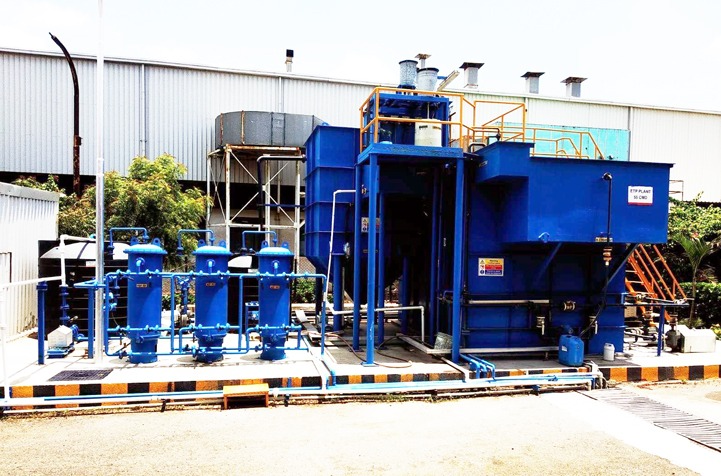
Effluent treatment chemicals play an essential role in ensuring efficient wastewater treatment in textile industries. Each type of chemical supports a specific stage of the treatment process.
Coagulants are used to destabilize suspended particles and dyes present in wastewater. These chemicals neutralize electrical charges on particles, allowing them to combine and form larger particles that can settle during sedimentation.
Flocculants then bind smaller particles together to form larger flocs. These flocs settle quickly in sedimentation tanks, improving contaminant removal and sludge separation.
pH adjustment chemicals are also important in textile wastewater treatment. Maintaining the correct pH level allows chemical reactions to occur effectively and supports processes such as precipitation and coagulation.
COD removal chemicals help break down organic pollutants and reduce the Chemical Oxygen Demand (COD) of wastewater. Lower COD levels improve the overall treatment efficiency and ensure wastewater meets discharge standards.
Bisan provides a range of Effluent Treatment Chemicals designed to support industrial wastewater treatment plants. These chemical solutions help industries improve treatment efficiency, remove pollutants effectively, and maintain compliance with environmental regulations.
Industries That Require Textile Effluent Treatment
Several industries generate textile wastewater and require proper treatment systems to manage their effluent.
Industries that commonly require textile effluent treatment include :
- Textile dyeing and processing units
- Fabric manufacturing plants
- Garment production facilities
- Textile printing and finishing industries
- Synthetic fiber manufacturing plants
These industries rely on advanced textile wastewater treatment chemicals to ensure that their wastewater treatment systems operate efficiently.
Conclusion
Textile industries generate large volumes of wastewater containing dyes, chemicals, and organic pollutants that must be treated before discharge. Without effective treatment, these pollutants can cause environmental damage and regulatory violations.
Modern innovations in chemical treatment technologies are helping industries improve wastewater treatment efficiency. Advanced coagulants, high-performance flocculants, oxidation chemicals, and eco-friendly treatment solutions are transforming how textile wastewater is treated.
By adopting advanced chemical treatment for textile wastewater, industries can improve pollutant removal, reduce operational costs, and ensure compliance with environmental regulations. With the support of reliable industrial wastewater treatment chemicals, textile manufacturers can operate sustainable and efficient wastewater treatment systems while protecting the environment.
Frequently Asked Questions
Common chemicals include coagulants, flocculants, pH adjustment chemicals, and COD removal chemicals. These help remove dyes, suspended solids, and organic pollutants from wastewater.
Chemical treatment helps remove color, dyes, and harmful pollutants that cannot be removed easily by physical treatment methods.
Recent innovations include advanced polymer coagulants, high-efficiency flocculants, oxidation chemicals, and eco-friendly treatment chemicals.
Coagulants destabilize particles, while flocculants bind them together to form larger flocs that settle easily during sedimentation.
They help improve dye removal, reduce COD levels, improve sedimentation, and lower sludge generation.
Industries such as textile dyeing units, fabric manufacturing plants, garment factories, and textile printing industries require effluent treatment systems.