
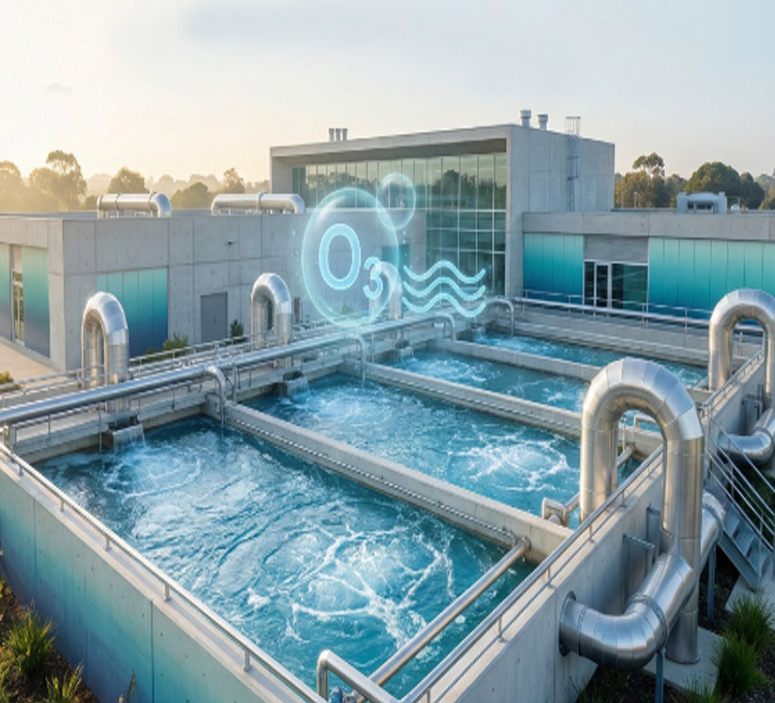
Sewage Treatment Plants (STPs) often generate strong, unpleasant odours caused by hydrogen sulfide (H₂S), anaerobic activity, and sludge decomposition. Today, these issues can be controlled far more effectively with modern technologies such as industrial ozone generators, improved aeration systems, and proper ventilation practices. Before selecting the right solution, it’s essential to understand what causes STP smell and how advanced odor-control systems can eliminate it safely, quickly, and without chemicals.
This guide simplifies the technical aspects and gives you clear, practical steps to diagnose and eliminate odour issues, just like we do while helping clients across India.
Why STP/WTP Odour Is a Serious Issue
Odour from a sewage or wastewater treatment plant is more than a nuisance. It directly impacts public comfort, regulatory compliance, worker safety, and the overall reputation of your facility. STP operators, facility executives, and industrial plant supervisors often face constant pressure because even a slight process imbalance can cause strong odours detectable far beyond the plant boundary.
For societies and commercial complexes, the situation is worse—residents expect a clean, odour-free environment, and even minor smells can lead to complaints, inspections, and community dissatisfaction.
This blog covers everything you need to understand the root causes and—more importantly—the solutions.
Why Do Sewage Treatment Plants Smell?
Odour in STPs usually comes from gases formed during the breakdown of organic matter. The most common sources include:- Hydrogen Sulphide (H₂S): The classic “rotten egg” smell, produced in anaerobic conditions.
- Ammonia: A sharp, pungent smell caused by nitrogen-rich wastewater.
- Anaerobic Zones: Areas where oxygen is low lead to incomplete digestion, causing foul gases.
- Organic decomposition: Stagnant areas and accumulated sludge release unpleasant organic odours.
Types of Odours in STP & WTP Systems
Understanding the type of odour helps identify its source:- H,S (Rotten egg smell): Most common in anaerobic tanks, sludge, and inlet chambers.
- Ammonia smell: Stemming from urea breakdown or imbalanced biological activity.
- Volatile Organic Compounds (VOCs): Found in industrial wastewater loads.
- Organic decay smell: Produced by stagnant or unprocessed sludge.
Odour Diagnostics: How to Identify the Source
Major odour issues can often be traced back using a simple diagnosis framework:
- Check inlet & screening chambers: Most raw sewage odours originate here.
- Inspect aeration tanks: Low DO (dissolved oxygen) means bacteria cannot function properly.
- Verify sludge levels: Overloaded sludge leads to septic conditions.
- Monitor parameters: DO, pH, ORP, and sulphide levels indicate system health.
To confirm odour elimination, operators use:
- Gas sensors (H,S meters)
- Odour concentration checks
- Air quality meters near the STP boundary
Common Odour Problems in Different Environments
1. STP Smell in Apartments / Housing Societies
Apartment complexes face odour issues because:- Vent pipes are blocked or improperly designed.
- Equalization tanks become septic.
- Aeration is weak or intermittent.
- Poor housekeeping around the plant room.
2. Odour Issues in Industrial Wastewater Treatment Plants
Industries face stronger odours due to:- Heavy organic loading
- Chemical interference with microbial activity
- High sludge generation
- VOC-rich influents
Immediate Ways to Reduce STP Odour
When odour spikes suddenly, you can take immediate actions:- Increase aeration levels
- Remove floating scum manually
- Desludge overloaded tanks
- Add biological cultures
- Restore pH and DO balance
- Use temporary deodorizing agents in emergency cases
Long-Term Odour Control Solutions
1. Odour Control Systems (India-Specific Solutions)
Odour control technologies vary based on plant size and load:- Wet scrubbers for chemical absorption
- Biofilters for eco-friendly gas treatment
- Activated carbon filters for final polishing
- Ventilation systems to direct gases away from public zones
2. Chemical Odour Control
Chemicals like oxidizers, deodorizers, and pH stabilizers can help, but they come with drawbacks:- High recurring cost
- Continuous dosing required
- Handling safety concerns
- Not suitable for all wastewater types
3. Ozone-Based Odour Control (Highly Effective)
Ozone is one of the strongest natural oxidizers for odour removal. It breaks down gases like H₂S, ammonia, and VOCs instantly, without leaving any chemical residue. Applications include:- STP headspace treatment
- Exhaust ducts
- Sludge drying areas
-
Garbage and waste handling zones
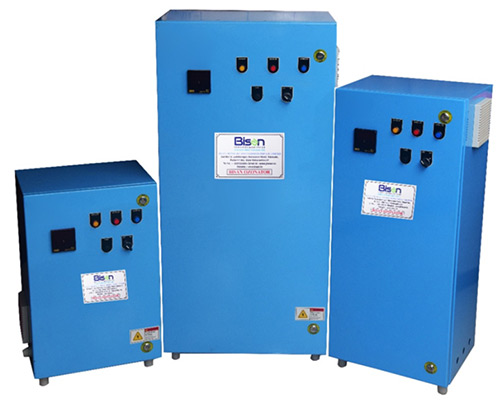 This is where Bisan’s Industrial Ozone Generator becomes a powerful solution. It provides consistent ozone output for effective, chemical-free odour neutralization. Industries prefer ozone because it is fast-acting, eco-friendly, and reduces operational costs.
For larger facilities, capacity selection is key. Our clients often rely on Bisan’s Industrial Ozone Generator to achieve stable, continuous odour elimination across their STP headspace and exhaust systems.
This is where Bisan’s Industrial Ozone Generator becomes a powerful solution. It provides consistent ozone output for effective, chemical-free odour neutralization. Industries prefer ozone because it is fast-acting, eco-friendly, and reduces operational costs.
For larger facilities, capacity selection is key. Our clients often rely on Bisan’s Industrial Ozone Generator to achieve stable, continuous odour elimination across their STP headspace and exhaust systems.
Improving Process Efficiency to Prevent Odours
To ensure long-term odour-free operation:- Maintain DO levels at 2–3 mg/L
- Upgrade aeration diffusers
- Optimize MLSS and sludge age
- Balance nutrients (C:N:P)
- Prevent anaerobic pockets
Safe Distance & Environmental Compliance
Odour dispersion depends on factors like wind, humidity, and tank design. CPCB and local authorities expect STPs to maintain safe air quality around the plant. Worker safety is equally critical. H₂S can be dangerous, so proper ventilation and gas monitoring around confined spaces are essential.Preventive Maintenance Checklist
Regular maintenance prevents major odour outbreaks: Weekly:- Clean bar screens
- Check DO, pH, blower pressure
- Inspect diffusers
- Desludge primary tanks
- Full system audit
- Blower and pump servicing
- Odour monitoring
When to Seek Professional Help
You should consult experts when:- Odour persists despite regular maintenance
- The STP is underperforming
- Sludge accumulation is excessive
- Ventilation is inadequate
- Residents or workers file complaints