
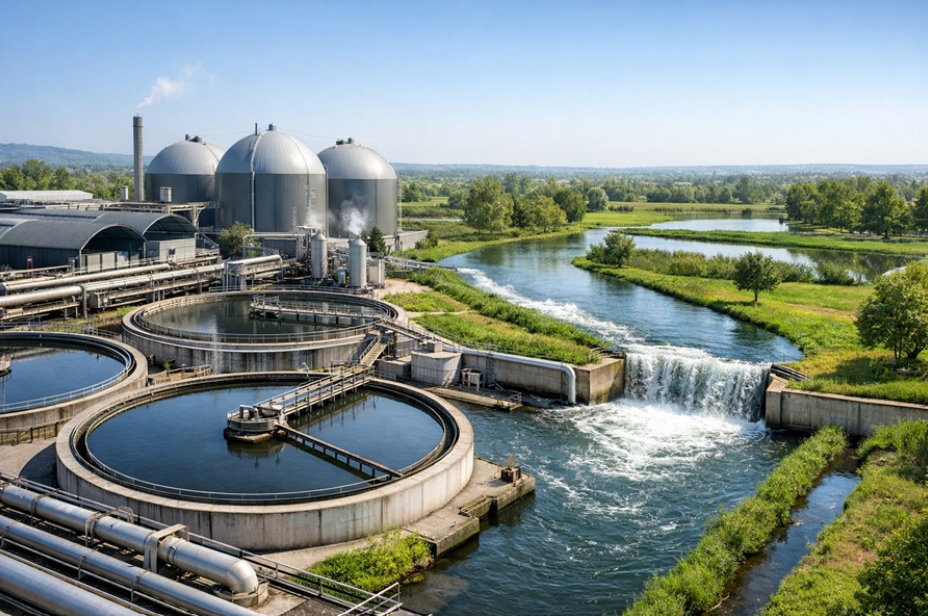
If you manage an apartment building, hotel, hospital, or industry, you already know how crucial it is to handle wastewater. But a lot of people stop thinking once the water seems clean. That's where most issues start. People ask things like "Where does the sludge go?" "Why does my STP smell sometimes?" or "Can this water be reused?" because every sewage treatment plant makes waste. Knowing what the by-products of wastewater treatment are can help you prevent problems with your business, follow pollution control standards, and possibly save money.
Modern wastewater treatment is not just about disposal. Todays plants are designed to recover clean water, energy, and useful materials from sewage. When managed properly, these by-products become valuable resources instead of waste.
What Are By-Products in Wastewater Treatment?
When wastewater flows into a sewage treatment plant, it goes through physical, biological, and chemical processes. These processes separate the clean water from solids, organic matter, and contaminants. The outputs from this separation are called wastewater treatment by-products, also known as treatment residuals.
Wastewater released by houses, offices, hotels, and industries is called sewage or domestic wastewater. This water contains suspended solids, grease, organic matter, bacteria, and nutrients. All these components must be removed so the water becomes safe for reuse or discharge. As a result, every wastewater treatment plant produces treated water, sludge, gases, and nutrient-rich materials.
Main By-Products of Wastewater Treatment
Wastewater treatment produces several useful outputs that can be reused when managed properly.
-
Treated Wastewater (Effluent)
This is the clean water that comes out after biological and filtration processes. It is commonly reused for toilet flushing, gardening, cooling towers, and industrial washing, helping reduce fresh water consumption. -
Sewage Sludge and Biosolids
Sludge is formed when solids settle during primary wastewater treatment, where grit, sand, and heavy particles are removed. During secondary treatment, bacteria digest organic waste and create biological sludge. After further treatment, this becomes biosolids that can be safely handled, disposed of, or reused. -
Biogas
In anaerobic treatment systems, bacteria break down organic matter in the absence of oxygen. This process produces biogas, which contains methane. Biogas can be used for electricity or heating, which is why the by-products of wastewater treatment are often said to be sludge and biogas. -
Nutrients and Organic Matter
Wastewater contains valuable nutrients such as nitrogen and phosphorus. When recovered and treated properly, these nutrients are used in agriculture and soil conditioning.
How Wastewater Treatment Plants Process These By-Products
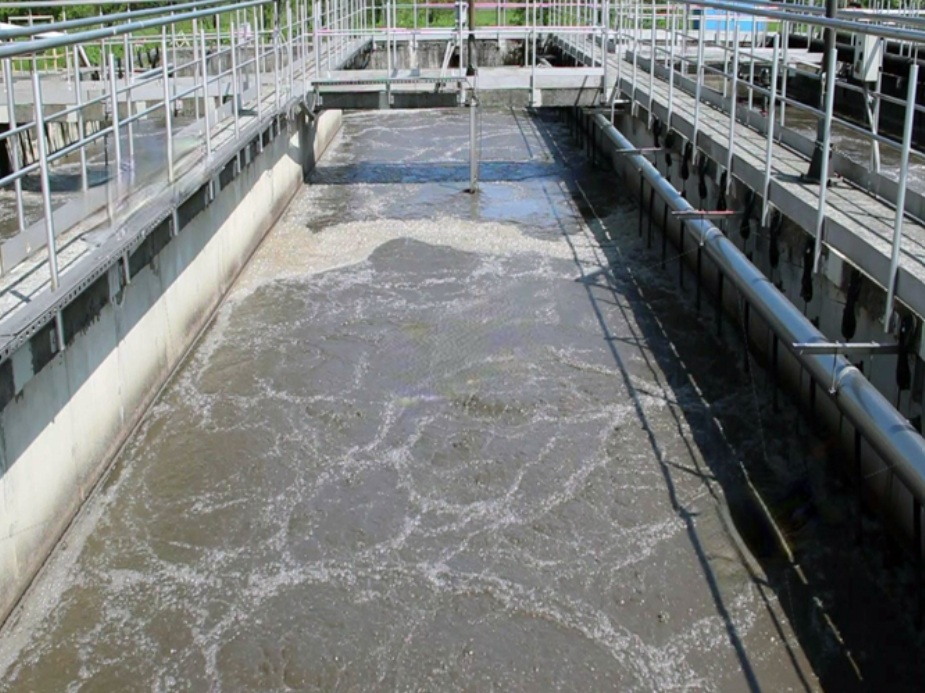
- Sludge Collection and Thickening: Sludge is first collected and thickened to reduce its volume before further treatment.
- Sludge Digestion: The thickened sludge goes through digestion, where microorganisms break down and stabilize organic matter. In anaerobic digestion, this process also produces biogas and reduces odors and harmful pathogens.
- Sludge Dewatering: After digestion, sludge is dewatered to remove excess moisture. This makes it easier and safer to transport, store, or dispose of.
- Effluent Filtration and Disinfection: Treated water passes through filtration and disinfection before reuse or discharge. Methods like chlorination, UV treatment, and ozonation kill harmful bacteria and viruses and ensure the water meets safety standards.
- Biogas Collection and Use: Biogas is collected in gas holders and can be used in generators or boilers to produce energy.
- Nutrient Recovery: Nutrients are recovered and treated so they can be safely used for agricultural and soil conditioning purposes.
If your facility needs a reliable and efficient system to handle all these processes from by-product management to safe discharge and reuse professional solutions like the Treatment Plants offered by Bisan Group can help.
Why Bacteria Are Used in Sewage Treatment
Bacteria are the backbone of every sewage treatment plant. They naturally feed on organic waste present in wastewater. During the biological treatment stage, these bacteria break down harmful substances into harmless by-products. This process reduces pollution levels and helps produce clean water and stable sludge.
Without bacteria, sewage treatment would not work. They are what make wastewater treatment efficient, eco-friendly, and cost-effective.
Role of Modern STP Technologies
Advanced technologies such as MBBR, SBR, and MBR improve how by-products are handled. These systems provide better oxygen supply and mixing, which helps bacteria work more efficiently. As a result, less sludge is produced, and the treated water quality is higher.
Membrane-based systems further polish the water, making it suitable for reuse in industries and commercial buildings. These technologies also help reduce odors and minimize environmental impact.
Environmental and Regulatory Importance
Pollution control boards require that all wastewater and its by-products be handled safely. Untreated sludge or poorly disinfected water can pollute rivers, lakes, and groundwater. This can harm aquatic life, spread diseases, and lead to heavy penalties.
A professionally designed STP ensures compliance with CPCB and local environmental norms. It protects the environment and keeps your facility legally safe.
Challenges in Handling By-Products
If by-products are not managed properly, problems like bad smells, sludge accumulation, and equipment damage occur. High disposal costs and poor water quality are also common issues. These challenges usually arise from poor plant design, incorrect technology selection, or lack of proper maintenance.
Benefits of Reusing Wastewater By-Products
When managed correctly, wastewater by-products bring many benefits. Reusing treated water reduces freshwater demand. Using biogas lowers energy bills. Applying biosolids improves soil quality. Together, these benefits make wastewater treatment more sustainable and economical.
Choosing the Right STP
The right sewage treatment plant design makes by-product management simple and cost-effective. Proper sizing, advanced technology, and professional installation ensure long-term performance. Turnkey STP solutions deliver better results because every part of the system works together efficiently.
Conclusion
Wastewater by-products are not waste when handled correctly. With modern sewage treatment plants, sewage becomes clean water, renewable energy, and useful nutrients. Choosing a reliable STP partner ensures efficient operation, legal compliance, and long-term savings.
FAQs
What are the main by-products of wastewater treatment?
Treated water, sludge, biogas, and nutrients.
Is treated sewage water safe to reuse?
Yes, when properly treated, it can be used for flushing, gardening, and industrial applications.
What happens to sludge in an STP?
It is stabilized, dewatered, and safely disposed of or reused.
Can biogas be used for electricity?
Yes, biogas from wastewater treatment can be used to generate power.
How do modern STPs reduce waste?
They use advanced biological and membrane technologies that improve efficiency and reduce sludge generation.